
Understanding the social dynamics of gambling within your community
The Role of Gambling in Community Culture
Gambling has long been interwoven into the fabric of many communities, often serving as a social pastime that fosters connections among individuals. It can create a unique culture where individuals gather to share experiences, whether at local casinos or through online platforms. This communal aspect can strengthen social ties, as players engage in conversation and share strategies, enhancing their sense of belonging. For instance, many enjoy visiting the fortunica casino to experience this vibrant atmosphere.
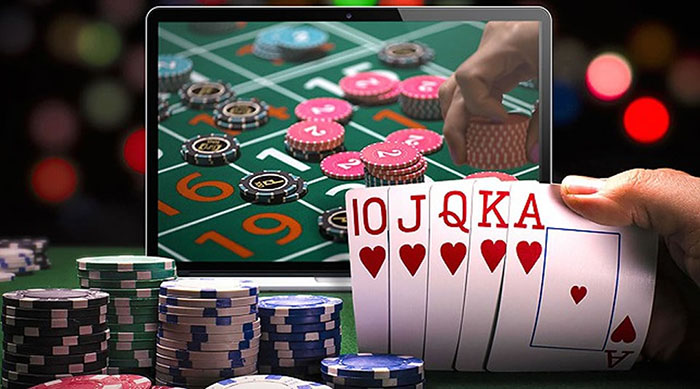
However, it is important to recognize that gambling can also carry stigmas and misconceptions. Many people view gambling solely as a vice, leading to negative perceptions that can overshadow its potential benefits to community bonding. Understanding these dynamics requires a balanced perspective that appreciates both the social opportunities gambling can provide and the challenges it can pose.
The Economic Impact of Gambling
The economic influence of gambling on a community is significant, often generating substantial revenue that can support local businesses and fund public services. Tax revenues from gambling establishments frequently contribute to community development projects, schools, and healthcare services. This infusion of funds can lead to improved infrastructure and enhanced quality of life for residents.
Yet, this economic advantage must be weighed against the potential for increased gambling-related issues. Communities may face challenges such as gambling addiction, which can detract from the economic benefits. It is essential for community leaders to strike a balance between harnessing the positive economic impacts of gambling while addressing the associated social risks.
Understanding Gambling Myths
Several myths surround gambling that can misinform community members and influence their perceptions. Common misconceptions include the belief that gambling is only for the wealthy or that certain games are “rigged” against players. These beliefs can create barriers that discourage responsible participation and prevent individuals from engaging in healthy social gambling. Dispelling these gambling myths debunked is crucial for fostering a more informed community.
Education on responsible gambling practices and the realities of gaming odds can empower individuals to make better decisions. Communities that address these myths can create a healthier environment where gambling is approached as a form of entertainment rather than a source of stigma.
The Influence of Technology on Gambling Dynamics
In recent years, technology has dramatically transformed the landscape of gambling, shifting many activities to online platforms. This evolution has broadened access, allowing individuals to engage with gambling from the comfort of their homes. While this convenience can enhance social connections through online gaming communities, it also raises concerns about isolation and addiction.
The rise of mobile gambling apps has made it easier than ever for individuals to gamble, which can lead to increased participation but may also exacerbate problem gambling behaviors. Communities must adapt to these technological changes by promoting digital literacy and responsible gambling practices to mitigate potential negative impacts while still enjoying the social aspects of gambling.

Exploring Responsible Gambling Resources
As gambling continues to be a part of many communities, it is vital to promote responsible gaming practices. Resources that support education on gambling addiction and provide assistance are essential for fostering a healthy gambling environment. Local organizations and community centers can play a key role in offering workshops, counseling, and support groups.
Additionally, platforms that promote responsible gambling, such as Fortunica Casino, are committed to creating safe gaming environments. These resources emphasize the importance of awareness and provide tools to help players engage in gambling as a form of entertainment without falling into harmful patterns. By working together, communities can create a supportive atmosphere that encourages informed and responsible participation in gambling activities.

